Clutter often builds gradually, turning once functional areas into chaotic spaces that slow down everyday life. Closets become crowded with items that are difficult to access, while garages turn into storage zones where things disappear for months. Instead of treating these areas separately, a smarter approach is to connect them through a unified storage strategy. When closets and garages are designed together, the result is not just organization but a system that supports daily efficiency and long-term convenience.
Zoning Storage Based on Lifestyle
One of the most effective ways to eliminate clutter is to organize spaces based on how they are used. Instead of grouping items randomly, storage zones can be created around daily activities. Clothing and accessories remain in closets, while tools, outdoor gear, and seasonal items transition to the garage.
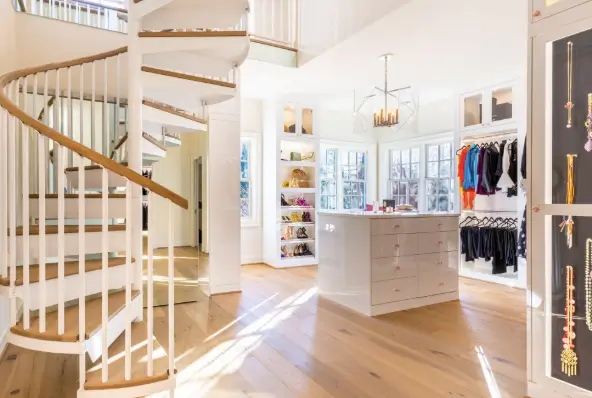
A customizable closet system makes it easier to establish these zones by offering flexible compartments that adapt to specific needs. By assigning each category of items a dedicated space, clutter is reduced because there is no confusion about where things belong.
Creating Movement-Friendly Spaces
Clutter is not just about items but also about how easily people can move through a space. A poorly organized closet or garage often leads to blocked pathways and wasted time. Integrated storage focuses on maintaining clear movement areas.
In closets, this means arranging sections so that frequently used items are within easy reach. In garages, custom garage cabinets can be installed along walls to free up floor space. This creates a smoother flow that allows both spaces to function efficiently without feeling cramped.
Managing Seasonal Rotation Efficiently
Homes often struggle with seasonal overflow, such as winter clothing, holiday decorations, or sports equipment. Instead of overcrowding closets year-round, an integrated system allows for smooth rotation between spaces.
During the off-season, items can be relocated from closets to garage storage without losing organization. When the seasons change, the transition becomes simple because everything is already categorized and easy to locate. This approach keeps both areas balanced and prevents unnecessary accumulation.
Reducing Visual Noise
Clutter is not only physical but also visual. Open piles, mismatched containers, and scattered items can make a space feel overwhelming even if it is technically organized. Integrated storage focuses on reducing visual distractions.
A customizable closet system uses uniform compartments and structured layouts to create a clean appearance. Similarly, custom garage cabinets conceal tools and equipment behind closed doors, making the garage look more like an extension of the home rather than a storage dump. This visual order contributes to a more relaxing environment.
Supporting Multi-Purpose Living
Modern homes often require spaces to serve more than one function. A garage may double as a workspace, gym, or hobby area, while closets may store more than just clothing. Integrated storage solutions are designed with this flexibility in mind.
Closets can include sections for accessories, documents, or even small equipment, while garage cabinets can be customized to support different activities. This adaptability ensures that spaces evolve with changing needs without becoming cluttered again.
Building Habits That Maintain Order
Even the best storage system will fail if it is difficult to maintain. Integrated solutions are designed to encourage consistent organizational habits. When items are easy to store and retrieve, people are more likely to keep spaces tidy.
Clear labeling, logical placement, and accessible compartments all contribute to a system that supports daily routines. Over time, this reduces the effort required to keep both closets and garages organized.
See also: Streamlining Automotive Businesses for Growth and Compliance
Improving Time Efficiency
Disorganization often leads to wasted time searching for misplaced items. An integrated approach minimizes this problem by creating a predictable structure across different areas of the home.
With everything assigned a specific location, it becomes easier to find what is needed quickly. Whether it is selecting an outfit or locating a tool, the process becomes faster and more efficient, improving overall productivity.
Conclusion
Transforming clutter into order requires more than surface-level organization. It involves creating a system that connects different storage areas and supports everyday living. By combining a customizable closet system with custom garage cabinets, homeowners can achieve a balanced and practical solution. This approach not only clears physical clutter but also introduces structure, efficiency, and long-term simplicity into the home.