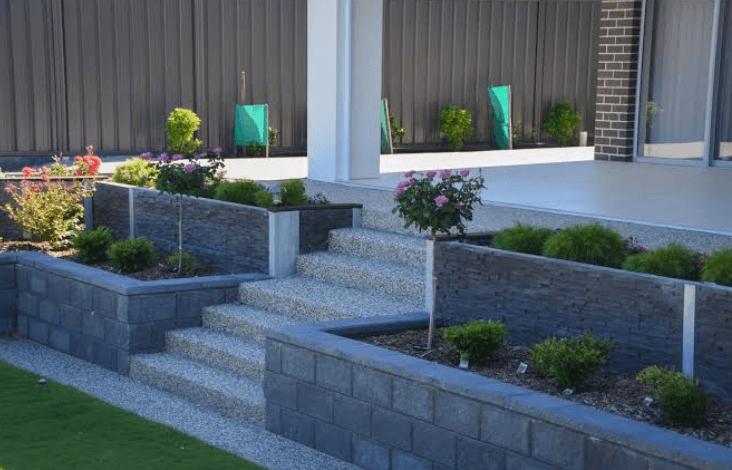
Retaining walls play a crucial role in managing soil and landscape in various settings, particularly where changes in elevation require stable support structures. In New South Wales (NSW), the demand for well-designed, durable retaining walls has increased significantly due to urban development and landscaping needs. Understanding the effective retaining wall systems available in NSW can ensure the safety, functionality, and aesthetic appeal of construction and landscaping projects.
The Purpose of Retaining Walls
Retaining walls are primarily used to hold back soil and prevent erosion on sloped land. They are essential for creating level areas on slopes, protecting properties from landslides, and managing water runoff. These walls are critical in both residential and commercial properties to maintain structural integrity and landscape design.
Types of Retaining Walls
There are several types of retaining walls, each suitable for specific soil conditions, height requirements, and aesthetic preferences. The main categories include gravity walls, cantilever walls, anchored walls, and mechanically stabilised earth walls. The choice depends on factors such as the load behind the wall, site conditions, and budget constraints.
Gravity Walls
Gravity walls rely on their mass to resist the pressure of the soil behind them. Typically constructed from concrete, stone, or other masonry materials, they are straightforward in design and effective for low to moderate height requirements. Due to their weight, they perform well in resisting lateral earth movement.
Cantilever Walls
Cantilever retaining walls utilise an L-shaped design and use reinforced concrete to leverage the weight of the soil on the base slab to hold the structure in place. These walls are more economical for taller retaining purposes and are commonly used in NSW for larger landscaping and civil engineering projects.
Anchored Walls
Anchored walls use cables or other stays anchored in the rock or soil behind the wall. They are ideal for high retaining walls in tight spaces where base dimensions are limited. This type is often used in areas with challenging topography or where additional support is necessary.
Mechanically Stabilised Earth Walls
These walls combine layers of compacted soil with reinforcing materials such as geotextiles or steel strips to provide structural strength. They are increasingly popular in NSW for large-scale infrastructure projects due to their cost-effectiveness and durability.
Considerations for Retaining Wall Systems in NSW
When selecting retaining wall systems in NSW, several factors must be considered to ensure performance and longevity. Soil type, drainage requirements, wall height, and environmental conditions such as rainfall and seismic activity play significant roles in the design process.
Proper drainage behind retaining walls is critical to prevent hydrostatic pressure build-up, which can cause wall failure. Incorporating weep holes, drainage pipes, and gravel backfill can effectively manage water accumulation.
Materials Used in Retaining Walls
The choice of materials affects the wall’s strength, appearance, and cost. Common materials include concrete blocks, timber, natural stone, and reinforced concrete. Concrete blocks are popular for their durability and ease of installation. Timber walls offer a natural look but generally suit smaller heights due to their susceptibility to decay.
Natural stone retaining walls provide an aesthetically pleasing, durable option, often favoured in landscaping projects. Reinforced concrete is versatile and ideal for large, high-load situations.
The Role of Professional Design and Installation
Engaging experienced professionals in the design and installation of retaining wall systems is essential. Incorrect design or poor construction can lead to structural failure, posing safety risks and incurring additional costs.
Consulting engineers and specialised contractors, particularly those familiar with local soil and weather conditions in NSW, ensures the retaining wall meets legal and safety requirements. This approach also guarantees that the system suits the specific purpose, whether for a garden, residential boundary, or civil infrastructure.
Environmental and Regulatory Compliance
Retaining wall construction must comply with local council regulations and environmental guidelines. In NSW, permits may be required depending on the structure’s size and location. Additionally, proper consideration of surrounding ecosystems and minimisation of environmental impact during construction is necessary.
Maintenance of Retaining Walls
Maintaining retaining walls prolongs their lifespan and functionality. Regular inspections should check for signs of movement, cracking, or drainage issues. Prompt repairs prevent minor issues from escalating into major structural problems.
Drainage Maintenance
Ensuring that drainage systems remain unblocked is vital. Clearing debris from weep holes and verifying that drainage pipes function correctly reduces pressure on the retaining wall.
See also: Starting a Business in Asia’s Leading Financial Hub
Vegetation Control
Controlling vegetation growth near retaining walls is important as roots can sometimes exert pressure or damage the structure. However, some plants can help stabilise soil when appropriately selected and maintained.
Innovations in Retaining Wall Systems
The retaining wall industry in NSW has seen advancements such as modular block systems and eco-friendly materials. Modular blocks allow quicker construction with improved aesthetics. Eco-friendly materials reduce environmental impact and offer sustainable alternatives to traditional concrete or timber.
Integrating these innovations with proven engineering practices enhances both performance and environmental responsibility.
Choosing a Superior Provider in NSW
For reliable and high-quality retaining wall construction, engaging with established companies offering tailored solutions is recommended. Organisations specialising in retaining wall systems nsw provide valuable expertise, ensuring projects are completed efficiently and meet safety standards.
Conclusion
Effective retaining wall systems in NSW are essential for managing soil stability and enhancing landscape usability. By considering the type of retaining wall, material selection, proper design, construction practices, and maintenance, property owners and developers can achieve durable and aesthetically pleasing outcomes. Partnering with specialised service providers further ensures compliance with local regulations and optimises long-term performance.