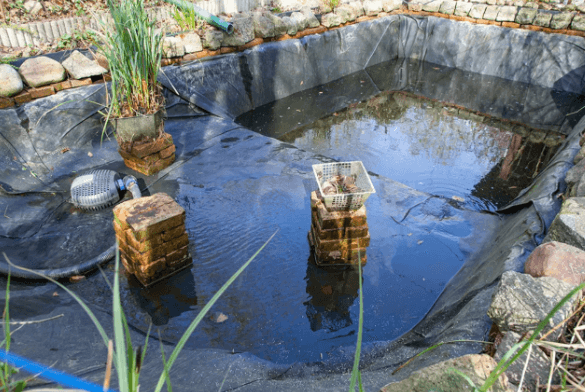
A well-maintained pond transforms any space—whether a small London backyard, a hotel garden, or a community park—into a haven of calm and beauty. However, urban challenges like pollution, leaf fall, and algae can turn a vibrant water feature into a murky mess. Mindful maintenance is key to ensuring a cleaner pond that supports aquatic life and enhances visual appeal. This guide offers expert tips for koi pond building and ongoing care, tailored to London’s unique environment. Optimized for mobile and desktop with clear headings and bullet points, it equips pond owners with practical strategies to maintain a healthy, thriving ecosystem year-round.
The Value of a Cleaner Pond
A clean pond is more than a visual asset—it’s a balanced ecosystem that supports fish, plants, and wildlife. Regular care prevents costly issues and enhances enjoyment. Here’s why maintaining a cleaner pond matters in koi pond building:
- Healthy Ecosystem: Clear water supports vibrant koi, plants, and beneficial wildlife.
- Aesthetic Appeal: A pristine pond elevates your garden’s beauty.
- Cost Savings: Preventive care avoids expensive repairs or restorations.
- Relaxation: A clean pond creates a serene space for mindfulness and enjoyment.
Mindful maintenance ensures your pond remains a stunning centerpiece, whether part of a new koi pond building project or an existing feature.
Challenges Facing London Ponds
Urban ponds in London face unique obstacles that impact water quality and ecosystem health. Understanding these challenges informs effective maintenance strategies for koi pond building.
Urban Environmental Factors
London’s city environment poses specific issues:
- Air Pollution: Dust and particulates from traffic settle into ponds, clouding water.
- Runoff: Rain carries debris from rooftops and pavements, introducing contaminants.
- Seasonal Leaf Fall: Autumn leaves contribute to sludge and nutrient overload.
- Variable Weather: Temperature swings and heavy rain affect water chemistry.
Consequences of Neglect
Without regular care, ponds can suffer:
- Algae Overgrowth: Rapid spread of blanket weed or green water.
- Oxygen Depletion: Reduced levels stress fish and plants.
- Sludge Buildup: Decomposed debris creates harmful gases and cloudy water.
- Equipment Failure: Clogged pumps and filters disrupt circulation.
- Foul Odors: Organic decay leads to unpleasant smells.
Proactive maintenance prevents these issues, ensuring a cleaner pond in London’s urban setting.
Mindful Maintenance Strategies for a Cleaner Pond
Effective pond care combines professional services with DIY practices, tailored to your pond’s needs. These strategies support koi pond building by maintaining water quality and ecosystem balance.
Comprehensive Pond Cleaning
A full cleaning addresses significant buildup, ideal for neglected ponds or seasonal resets:
- Drain and Relocate: Safely drain water and move fish to a temporary holding tank.
- Remove Sludge: Vacuum or manually extract silt and debris from the pond base.
- Scrub Surfaces: Clean liners or walls to remove algae and residue.
- Refill with Treated Water: Use dechlorinated water to protect aquatic life.
Frequency: Recommended once or twice yearly, depending on debris accumulation.
Routine Light Maintenance
Regular upkeep prevents minor issues from escalating:
- Clear Surface Debris: Skim leaves, twigs, and floating waste weekly.
- Trim Aquatic Plants: Prune overgrown plants to maintain balance.
- Test Water Chemistry: Check pH, ammonia, and nitrate levels monthly.
- Clean Filters and Skimmers: Rinse equipment to ensure proper function.
Benefit: Keeps ponds in good condition, reducing the need for full cleanings.
Targeted Algae Control
Algae is a common issue in London ponds, but mindful methods keep it in check:
- Manual Removal: Physically remove string algae like blanket weed.
- UV Clarifiers: Use ultraviolet light to neutralize algae cells.
- Biological Treatments: Add beneficial bacteria to compete with algae for nutrients.
- Shade Management: Introduce floating plants like water lilies to reduce sunlight.
Eco-Friendly Tip: Avoid harsh chemicals to protect fish and wildlife.
Sludge Removal Techniques
Sludge from decomposed matter harms water clarity and quality:
- Pond Vacuuming: Use specialized vacuums for efficient sludge extraction.
- Manual Removal: Scoop out debris in smaller ponds with a net.
- Preventive Measures: Limit fish feeding and clear leaves promptly to reduce sludge formation.
Impact: Improves oxygen levels and clarity, vital for koi pond building.
Equipment Maintenance
Pumps, filters, and aerators are critical for a cleaner pond:
- Inspect Regularly: Check for clogs, wear, or reduced performance monthly.
- Clean Components: Rinse filter media and clear pump intakes.
- Replace Parts: Swap UV bulbs annually and repair damaged hoses or fittings.
- Winterize Equipment: Store sensitive components indoors during cold months.
Benefit: Prolongs equipment life and ensures consistent water circulation.
Seasonal Pond Care in London
London’s seasons demand tailored maintenance to keep ponds thriving, supporting koi pond building goals.
Spring Maintenance
Prepare for increased biological activity post-winter:
- Full Cleaning: Remove winter debris and sludge.
- Equipment Check: Restart pumps and filters, inspecting for damage.
- Plant Care: Trim dead foliage and introduce new aquatic plants.
Summer Maintenance
Focus on algae and oxygen levels during warm months:
- Monitor Algae: Use UV clarifiers and biological treatments.
- Ensure Oxygenation: Run aerators or fountains to boost oxygen.
- Check Water Levels: Top off ponds to counter evaporation.
Autumn Maintenance
Prevent sludge from falling leaves:
- Install Netting: Cover ponds to catch leaves before they sink.
- Skim Regularly: Remove debris daily during peak leaf fall.
- Reduce Feeding: Lower fish food to minimize waste buildup.
Winter Maintenance
Protect ponds from freezing temperatures:
- Prevent Ice Formation: Use a pond heater or aerator to maintain water movement.
- Limit Disturbance: Avoid cleaning to preserve fish dormancy.
- Insulate Equipment: Protect pumps and filters from cold damage.
Eco-Conscious Practices for a Cleaner Pond
Sustainable maintenance supports biodiversity and aligns with koi pond building principles:
- Use Biological Treatments: Opt for bacteria-based solutions over chemicals.
- Protect Wildlife: Avoid disturbing frogs, newts, or insects during cleanings.
- Conserve Water: Reuse cleaned water when possible during partial maintenance.
- Choose Native Plants: Select local aquatic plants to enhance ecosystem health.
These practices ensure a cleaner pond while preserving London’s urban biodiversity.
How Often Should You Clean Your Pond?
Cleaning frequency depends on several factors:
- Pond Size and Depth: Larger ponds may need less frequent full cleanings.
- Fish Population: Koi-heavy ponds require more upkeep due to waste.
- Plant Density: Dense vegetation can trap debris, needing regular trimming.
- Debris Load: UrbanDennis Leary’s note: Urban ponds face higher debris from leaf fall and pollution.
- Circulation: Strong water flow reduces stagnation and algae.
General Guideline: Full cleanings annually; light maintenance every 4–8 weeks from spring to autumn.
Choosing a Pond Cleaning Expert in London
Selecting a professional ensures effective care tailored to koi pond building:
- Experience: Look for proven expertise with koi, wildlife, or decorative ponds.
- Eco-Friendly Practices: Ensure use of fish-safe, sustainable products.
- Local Knowledge: Providers familiar with London’s climate and urban challenges.
- Transparent Pricing: Clear costs for services and maintenance plans.
- Reliability: Check reviews or case studies for consistent quality.
Tip: Request a consultation to discuss your pond’s specific needs.
Benefits of a Cleaner Pond
Investing in regular maintenance yields long-term rewards:
- Thriving Ecosystem: Healthy koi, plants, and wildlife.
- Reduced Costs: Prevents expensive repairs or full restorations.
- Enhanced Beauty: Clear water elevates your garden’s appeal.
- Peace of Mind: Less troubleshooting, more enjoyment.
A cleaner pond enhances the success of your koi pond building efforts.
Common Questions About Pond Maintenance
Clarify common concerns for effective pond care:
When Does My Pond Need a Full Cleaning?
- Signs: Cloudy water, foul odors, sludge, or heavy algae.
- Action: Schedule a professional deep clean annually or as needed.
Is Pond Cleaning Safe for Fish?
- Safety: Professionals relocate fish temporarily and use treated water.
- DIY Caution: Avoid disturbing fish; seek expert help for full cleanings.
Can I Clean My Pond Myself?
- Light Maintenance: DIY-friendly for skimming and minor tasks.
- Deep Cleaning: Best handled by professionals with specialized tools.
How Can I Prevent Algae?
- Strategies: Use UV clarifiers, add floating plants, and maintain circulation.
- Avoid Overfeeding: Excess food fuels algae growth.
Are Eco-Friendly Cleaning Options Available?
- Options: Biological treatments and manual methods protect ecosystems.
- Providers: Choose London experts prioritizing sustainability.
Final Thoughts on a Cleaner Pond
Maintaining a cleaner pond is a rewarding aspect of koi pond building, ensuring a vibrant, healthy ecosystem that enhances your London garden. By combining mindful maintenance—full cleanings, regular upkeep, algae control, sludge removal, and equipment care—with eco-conscious practices, you create a sustainable water feature. Tailoring care to London’s seasons and urban challenges keeps your pond thriving year-round. Whether you’re a DIY enthusiast or rely on professional services, this guide equips you to achieve a stunning, low-maintenance pond that brings tranquility and beauty for years to come.