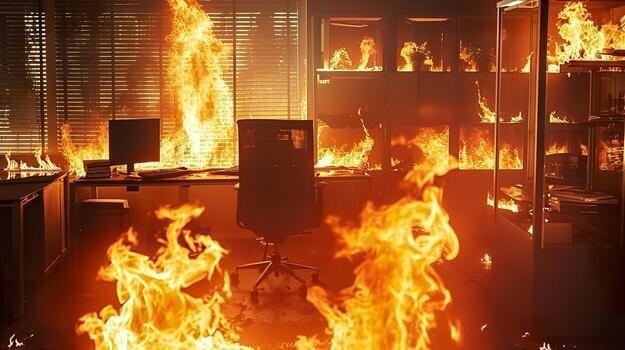
Fire safety is a critical concern for office environments, where electrical equipment, paper storage, and daily human activity increase the risk of fire. A fire risk assessment for offices is a structured process that helps identify potential fire hazards, assess risks, and implement effective safety measures. Understanding how fire risk assessments work and why they are important ensures a safer workplace for employees and visitors while also supporting legal compliance.
What Is a Fire Risk Assessment?
A fire risk assessment is a systematic evaluation of an office building to identify fire hazards and determine the level of risk they pose. It examines how a fire could start, how it might spread, and who could be affected. The assessment also reviews existing fire safety measures and identifies any gaps that need improvement.
In office settings, fire risk assessments are usually carried out by a competent person with knowledge of fire safety regulations and workplace hazards. The assessment should be suitable for the size, layout, and activities of the office.
Why Fire Risk Assessments Are Important for Offices
Fire risk assessments are essential because offices often contain large numbers of people, electronic equipment, and combustible materials. Identifying risks early helps prevent fires and reduces the likelihood of injuries or fatalities.
Legal compliance is another key reason. Many fire safety laws require employers and building owners to conduct regular fire risk assessments. Failure to comply can result in fines, legal action, or business closure.
Additionally, a fire risk assessment helps protect office assets such as computers, records, and infrastructure. Fire incidents can cause significant financial losses and disrupt business operations for extended periods.
Common Fire Hazards in Office Environments
Offices face several common fire hazards that must be considered during a fire risk assessment. Electrical equipment such as computers, printers, extension leads, and servers can pose a fire risk if poorly maintained or overloaded.
Paper files, cardboard boxes, furniture, and carpets act as fuel sources that allow fires to spread quickly. Kitchens or break areas may include cooking appliances, microwaves, and kettles that increase ignition risks. Poor housekeeping, blocked exits, and improper storage of flammable materials also contribute to fire hazards.
Identifying People at Risk in Offices
A crucial part of an office fire risk assessment is identifying who may be at risk during a fire. This includes employees, visitors, contractors, and cleaning staff. Offices often host clients or guests who may not be familiar with evacuation routes.
Special consideration should be given to individuals with disabilities, limited mobility, or health conditions that may affect evacuation. Lone workers, night staff, and employees working in isolated areas should also be included in the assessment.
Fire Detection and Warning Systems
Effective fire detection and warning systems are essential in office buildings. Fire alarms, smoke detectors, and heat detectors should be installed in appropriate locations and tested regularly.
The fire risk assessment should confirm that alarms are loud and visible enough to alert all occupants, including those working in noisy areas or wearing headphones. Manual call points should be accessible and clearly marked.
Escape Routes and Emergency Exits
Safe evacuation is a key focus of any office fire risk assessment. Escape routes must be clearly defined, unobstructed, and well-lit. Emergency exits should be easy to open and lead to a safe assembly point outside the building.
Emergency lighting and exit signage should be installed and maintained to guide occupants during power failures. Stairwells, corridors, and doorways should support smooth and rapid evacuation.
Firefighting Equipment and Emergency Planning
Offices must be equipped with suitable firefighting equipment, such as fire extinguishers and fire blankets where necessary. The fire risk assessment should confirm that equipment is appropriate for the types of fire risks present and is regularly maintained.
An emergency fire evacuation plan should be developed and communicated to all employees. This plan should outline evacuation procedures, alarm response, assembly points, and staff responsibilities, including fire wardens.
Training, Review, and Ongoing Maintenance
Fire safety training is essential to ensure employees understand evacuation procedures and emergency responsibilities. Regular fire drills help reinforce training and identify weaknesses in evacuation plans.
Fire risk assessments should be reviewed regularly and updated whenever changes occur, such as office renovations, new equipment, or increased staff numbers. Ongoing maintenance of fire safety systems ensures continued effectiveness.
Conclusion
A fire risk assessment for offices is a vital process that protects lives, property, and business continuity. By identifying hazards, assessing risks, implementing effective safety measures, and reviewing procedures regularly, office managers can create a safer working environment. Fire risk assessments are not only a legal requirement but a fundamental part of responsible office management.