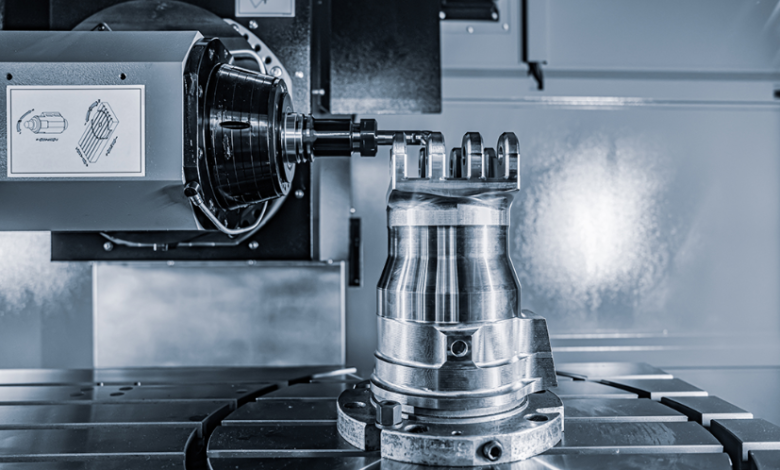
The engineering industry plays a central role in shaping modern technology, especially in the field of electronics manufacturing. From smartphones and medical devices to automotive control systems and industrial automation, electronic components are at the heart of innovation. Behind these compact and powerful products lies a highly specialized manufacturing process that demands accuracy, speed, and consistency. One of the most critical contributors to this process is surface mount technology, which has transformed how electronic assemblies are designed and produced.
The Evolution of Electronics Assembly
In the early days of electronics, components were large and manually assembled using through-hole techniques. While effective at the time, these methods were slow, labor-intensive, and limited in terms of miniaturization. As demand for smaller, faster, and more efficient devices grew, the industry needed a better solution.
Surface mount technology emerged as a response to these challenges. It allowed components to be mounted directly onto the surface of printed circuit boards, reducing size and improving electrical performance. This shift marked a turning point for electronics engineering, enabling higher production volumes and more complex designs.
Role of Automation in Modern Engineering
Automation is now a defining feature of engineering-driven manufacturing environments. Advanced machinery has replaced many manual processes, improving both quality and efficiency. In electronics assembly, automated placement, inspection, and soldering systems ensure consistent results across thousands or even millions of units.
smt machine manufacturers play a crucial role in this ecosystem by designing equipment that meets strict industry standards. Their machines are engineered to handle tiny components at high speeds while maintaining micron-level accuracy, which is essential for modern circuit boards.
See also: How AI Face Swap Technology Is Revolutionizing Video Editing
Key Engineering Principles Behind SMT Equipment
Precision and Accuracy
Engineering precision is the foundation of surface mount machinery. Components are often smaller than a grain of rice, requiring exact placement to avoid defects. Engineers design machines with high-resolution vision systems, precise motion control, and advanced calibration methods to achieve this level of accuracy.
Speed Without Compromising Quality
High production demand means machines must operate quickly. However, speed cannot come at the expense of reliability. Engineering teams smt equipment manufacturers focus on optimizing mechanical design, software algorithms, and component feeders to balance throughput with consistent quality.
Reliability and Durability
Manufacturing environments can be demanding, with machines running continuously for long periods. Engineers prioritize durability, using robust materials and designs that minimize downtime and maintenance requirements. This reliability directly impacts production efficiency and operational costs.
Impact on Product Design and Innovation
Surface mount technology has given product designers greater freedom. Smaller components and tighter layouts allow engineers to develop compact devices with enhanced functionality. This has been especially important in industries such as consumer electronics, aerospace, and healthcare, where space and performance are critical.
As smt machine manufacturers continue to innovate, they enable engineers to push boundaries further. Improved placement accuracy and support for advanced components open the door to next-generation product designs.
Quality Control and Inspection Systems
Engineering excellence is not limited to placement machines alone. Inspection systems are equally important in ensuring product reliability. Automated optical inspection and solder paste inspection machines are engineered to detect defects early in the production process.
By integrating inspection with placement and reflow systems, manufacturers can identify issues quickly and reduce waste. This closed-loop approach reflects the engineering industry’s focus on continuous improvement and quality assurance.
Sustainability in Electronics Engineering
Sustainability has become a growing concern across all engineering disciplines. Electronics manufacturing is no exception. Engineers are now designing machines that consume less energy, generate less waste, and support environmentally friendly materials.
Modern SMT equipment is engineered to optimize solder usage, reduce rework, and improve first-pass yield. These improvements not only lower environmental impact but also reduce production costs, creating a win-win scenario for manufacturers.
Customization and Flexibility in Production
No two production lines are exactly the same. Different products require different component sizes, board layouts, and production volumes. Engineering teams address this challenge by designing flexible machines that can be reconfigured easily.
smt machine manufacturers focus on modular designs, intuitive software interfaces, and quick-change feeders. This flexibility allows manufacturers to adapt to new product requirements without significant downtime or investment.
Supporting Skilled Engineering Talent
While automation has reduced manual labor, it has increased the need for skilled engineers and technicians. Operating and maintaining advanced SMT equipment requires knowledge of mechanics, electronics, and software systems.
The engineering industry benefits from this shift, as it encourages continuous learning and skill development. Engineers work closely with equipment providers to optimize production lines and troubleshoot complex issues, fostering collaboration and innovation.
Global Trends Shaping the Industry
The demand for electronics continues to grow worldwide, driven by digital transformation, electric vehicles, and smart infrastructure. This global demand places pressure on manufacturers to scale production while maintaining quality.
Engineering-driven solutions, supported by reliable smt machine manufacturers, help meet these challenges. As supply chains evolve and regional manufacturing expands, advanced SMT equipment enables consistent production standards across different locations.
Future Outlook for Engineering and SMT Technology
The future of electronics manufacturing lies in smarter, more connected systems. Artificial intelligence, machine learning, and data analytics are increasingly being integrated into production equipment. These technologies allow machines to self-optimize, predict maintenance needs, and improve accuracy over time.
Engineers will continue to play a vital role in this evolution, bridging the gap between hardware and software innovation. As SMT technology advances, it will support increasingly complex electronic designs and new application areas.
Conclusion
The engineering industry is deeply intertwined with the progress of electronics manufacturing. Surface mount technology has revolutionized how electronic products are built, enabling speed, precision, and innovation on a global scale.
Through continuous innovation, smt machine manufacturers provide the tools that engineers rely on to meet modern production demands. Their contributions support not only efficient manufacturing but also the development of reliable, high-performance electronic products that shape everyday life.